Journal Articles
2026
How street-level bureaucrats' traits affect community leaders' assessments of the government
Journal of Politics
Abstract
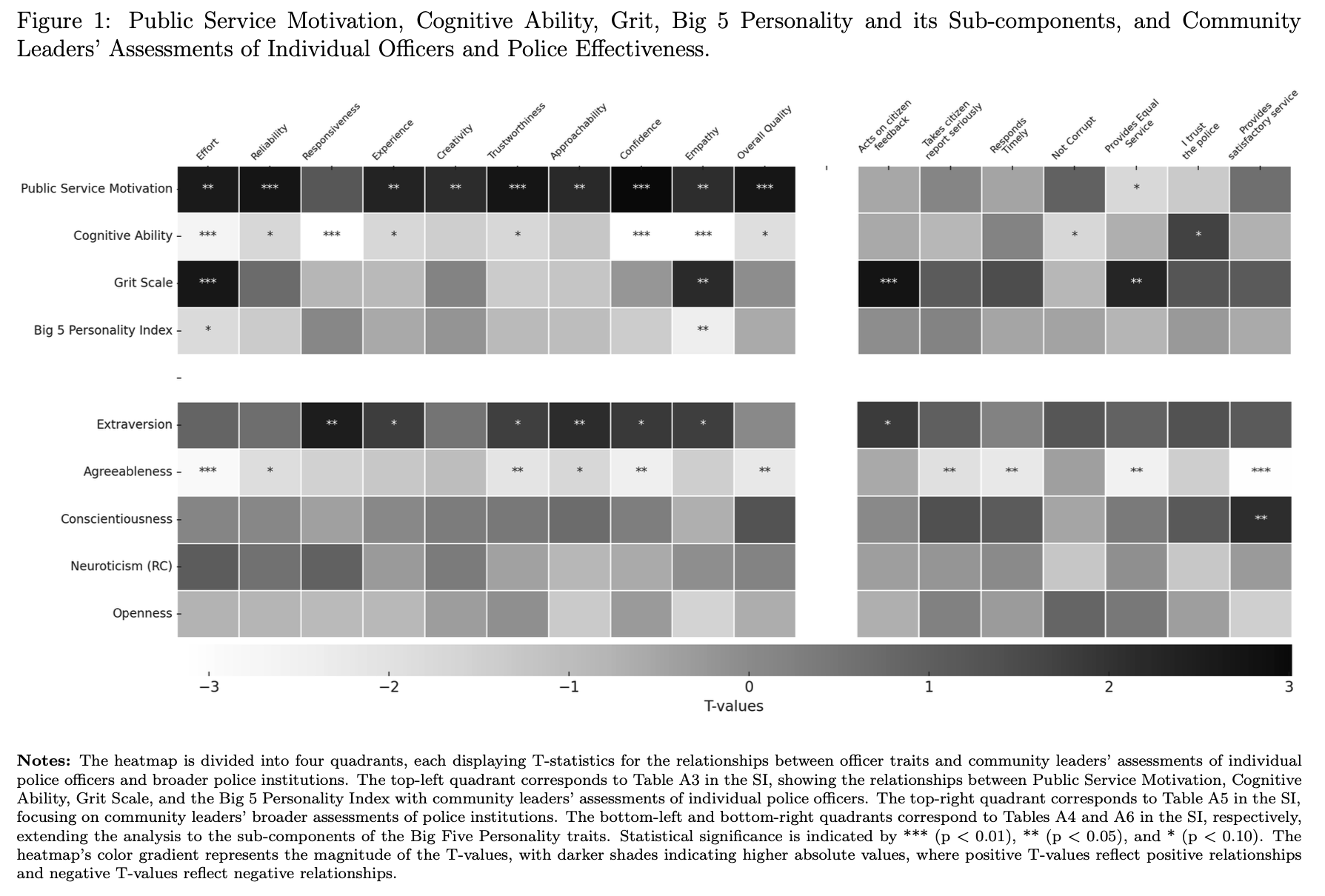
Research shows that bureaucrats' performance is shaped by their personal traits, such as public service motivation, cognitive ability, grit, and "big five" personality. What impact do these traits have on citizen assessments of service delivery and governance? To test this question, we randomly assigned police officers to villages during a community-oriented policing program in the Philippines. This program involved meetings between police officers and community leaders, citizens who serve as key conduits between the population and the state. We find that community leaders' assessments of individual officers were meaningfully affected by officers' personal traits, but those traits matter less for assessments of broader institutional efficacy. These findings suggest that bureaucrats' traits can improve public service provision by shaping how citizens approach encounters with specific government representatives. However, they place limits on the suggestion that exceptionally positive (or exceptionally negative) bureaucrats can shape attitudes towards state institutions more generally.
2025
How does community policing affect police attitudes? An experimental test and a theory of bureaucrat-citizen contact
American Political Science Review
Winner, APSA Southeast Asian Politics Group Best Paper Award
Abstract
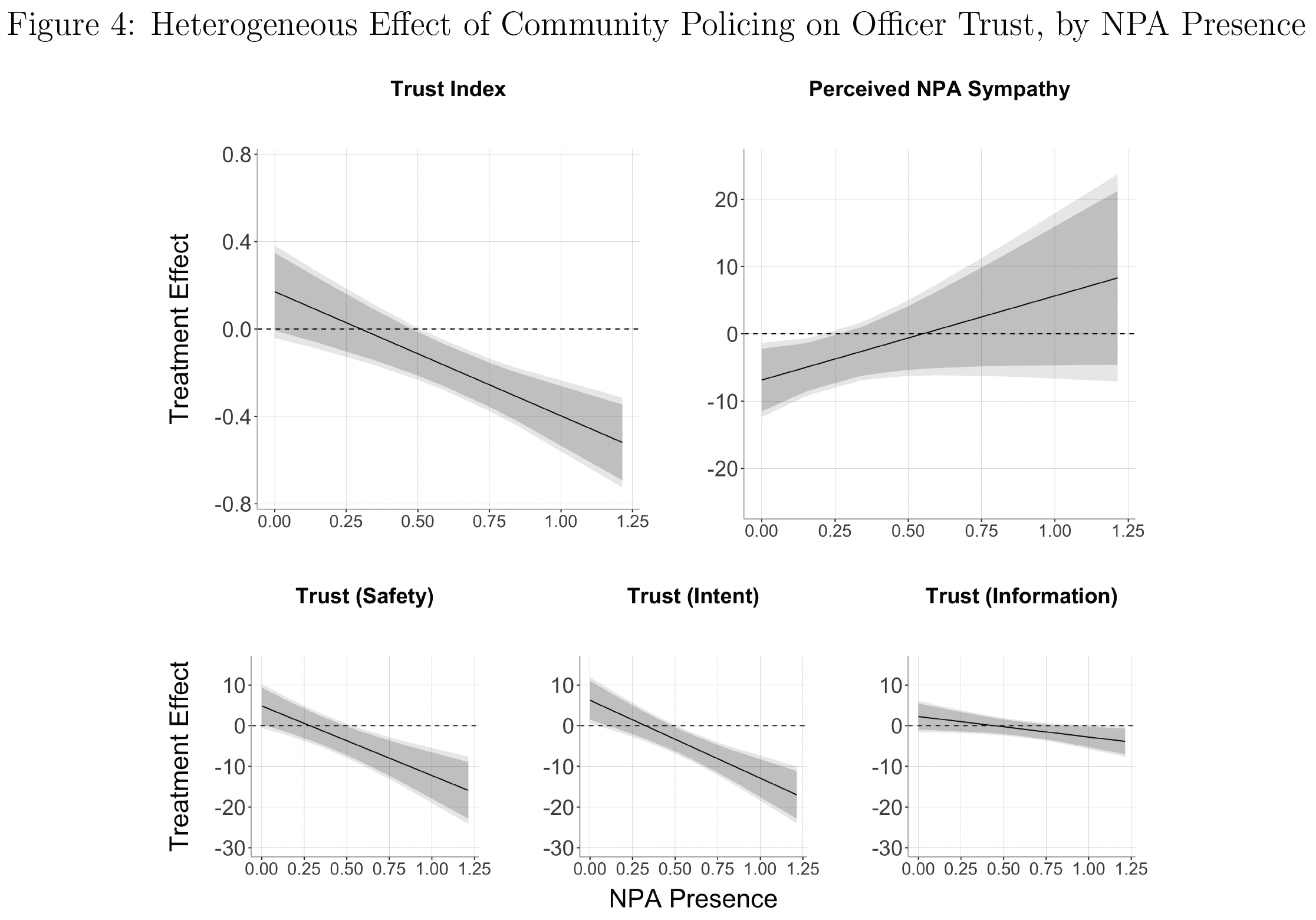
In contrast to the expansive work on how community policing affects citizens' attitudes towards police, existing research says little about how community policing affects officers' attitudes towards citizens. We examine officer-facing outcomes using an experiment in the Philippines, in which a random subset of a province's 705 officers were assigned to intensive community policing activities for seven months. Treatment officers saw improved understanding of citizen concerns, but did not develop greater empathy or trust towards civilians, nor an increased sense of accountability for citizen-facing misconduct. We build from the experiment to develop an inductive theory of bureaucrat-citizen contact, relying on qualitative observations and exploratory analyses of heterogeneous effects. We propose that contact with citizens is only likely to improve attitudes among frontline bureaucrats who are not ex-ante embedded in their communities. Moreover, contact may have negative effects when it reveals threats to bureaucrats' personal safety.
2023
Fire alarms for police patrols: Experimental evidence on co-production of public safety
Journal of Politics
Abstract

Effective public goods provision requires co-production by both citizens and the government. Search costs which impede citizens’ abilities to share information constitute a critical and understudied impediment to this co-production. We experimentally evaluate search costs in a rural, conflict-affected province of the Philippines. We randomize the rollout of a police hotline which dramatically reduces the costs of reporting, and compare it against both the status quo and an alternative intervention which builds trust but does not affect search costs. The hotline increased the likelihood of reporting crimes by 10–19 percentage points. The intervention reduced perceived insurgent activity but had no perceptible impact on ordinary crime. Our findings suggest that addressing search costs substantially impede service delivery, potentially explaining why policies imported from higher-capacity countries may fail to achieve results in developing contexts.
2022
Brokers, social networks, reciprocity, and clientelism
American Journal of Political Science
Abstract
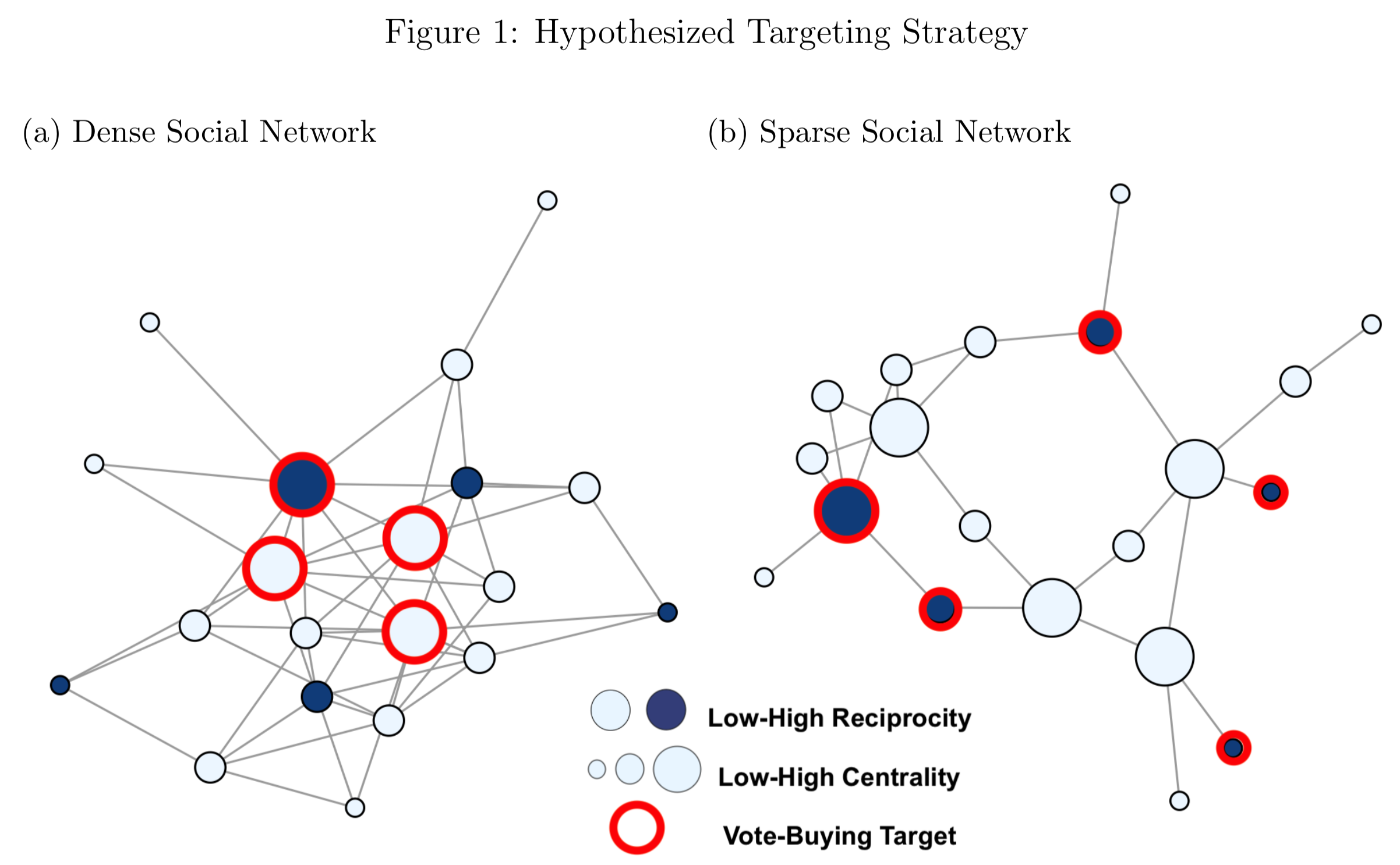
Although canonical models of clientelism argue that brokers use dense social networks to monitor and enforce vote buying, recent evidence suggests that brokers can instead target intrinsically reciprocal voters and reduce the need for active monitoring and enforcement. Combining a trove of survey data on brokers and voters in the Philippines with an experiment-based measure of reciprocity, and relying on local naming conventions to build social networks, we demonstrate that brokers employ both strategies conditional on the underlying social network structure. We show that brokers are chosen for their central position in networks and are knowledgeable about voters, including their reciprocity levels. We then show that, where village social networks are dense, brokers prefer to target voters that have many ties in the network because their votes are easiest to monitor. Where networks are sparse, brokers target intrinsically reciprocal voters whose behavior they need not monitor.
2022
Deadly populism: How local political outsiders drive Duterte’s war on drugs in the Philippines
Journal of Politics
Winner, APSA Southeast Asian Politics Group Best Paper Award
Abstract
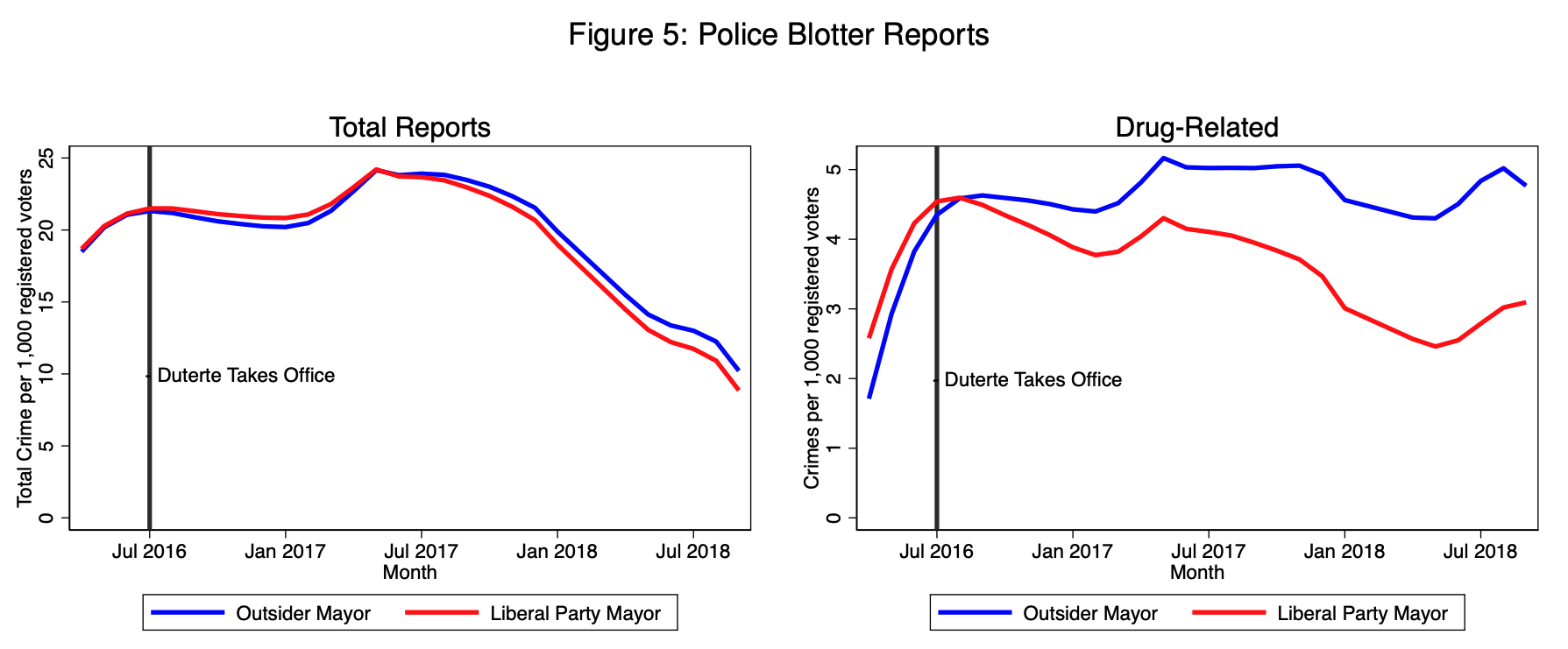
Around the world, populists have won elections on the strength of crowd-pleasing but norm-defying policy proposals. Although effective at mobilizing support at election time, these policies are often difficult to implement because populists lack allies throughout the political system. Examining President Rodrigo Duterte's brutal "War on Drugs" in the Philippines, we find that mayors excluded from establishment patronage networks filled a critical implementation gap for the Duterte administration. Employing regression discontinuity and difference-in-differences approaches, we show that outsider mayors received 40 percent lower public works appropriations and, in turn, executed Duterte's drug war more aggressively. Outsider-led municipalities had 40 percent more anti-drug incidents and 60 percent more extra-judicial killings by police. The results illustrate a trade-off between patronage politics and corruption (politics-as-usual) and violent democratic backsliding.
2021
Sustained government engagement improves subsequent pandemic risk-reporting in conflict zones
American Political Science Review
Abstract
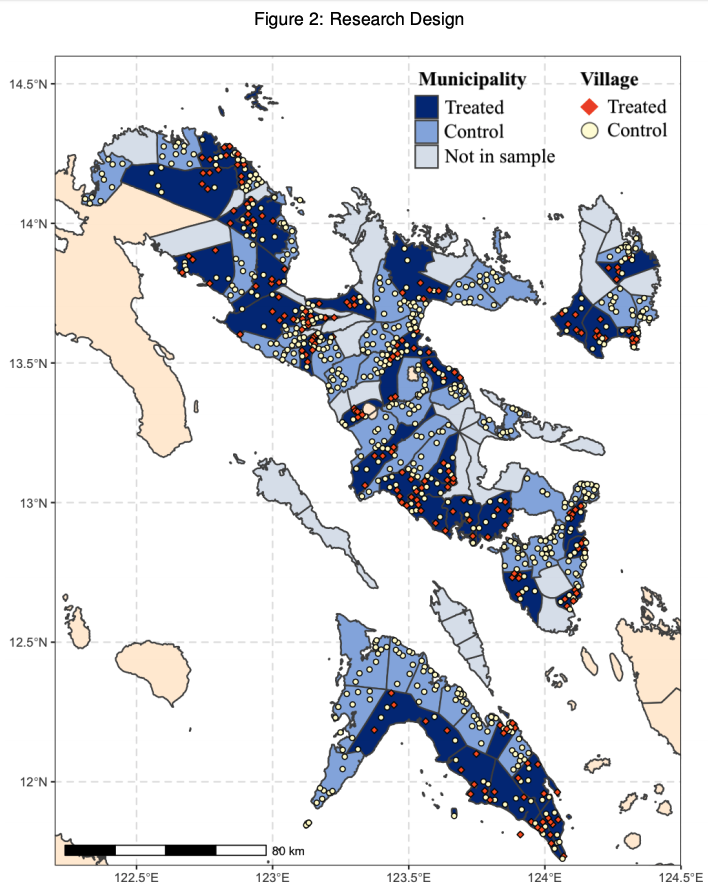
Citizen information sharing is crucial to a government's ability to respond to an outbreak of a pandemic disease such as COVID-19. In conflict zones, however, citizens and local leaders often lack trust in state institutions and are unwilling to cooperate, risking costly delays and information gaps. We report results from a randomized experiment in the Philippines regarding government efforts to provide services and build trust with rural communities in a conflict-affected region. We find that the outreach program increased by 20% the probability that local leaders provide time-sensitive risk information critical to the regional Covid Task Force. The effect is driven by leaders who at baseline were skeptical about government capacity and fairness, as well as neutral or positive attitudes towards rebels. These findings highlight the important role that government efforts to build connections with conflict-impacted communities can play in determining public health outcomes during national emergencies.
2021
Community policing does not build citizen trust in police or reduce crime in the Global South
Science
Honorable Mention, Luebbert Best Article Award, APSA Comparative Politics Section
Abstract
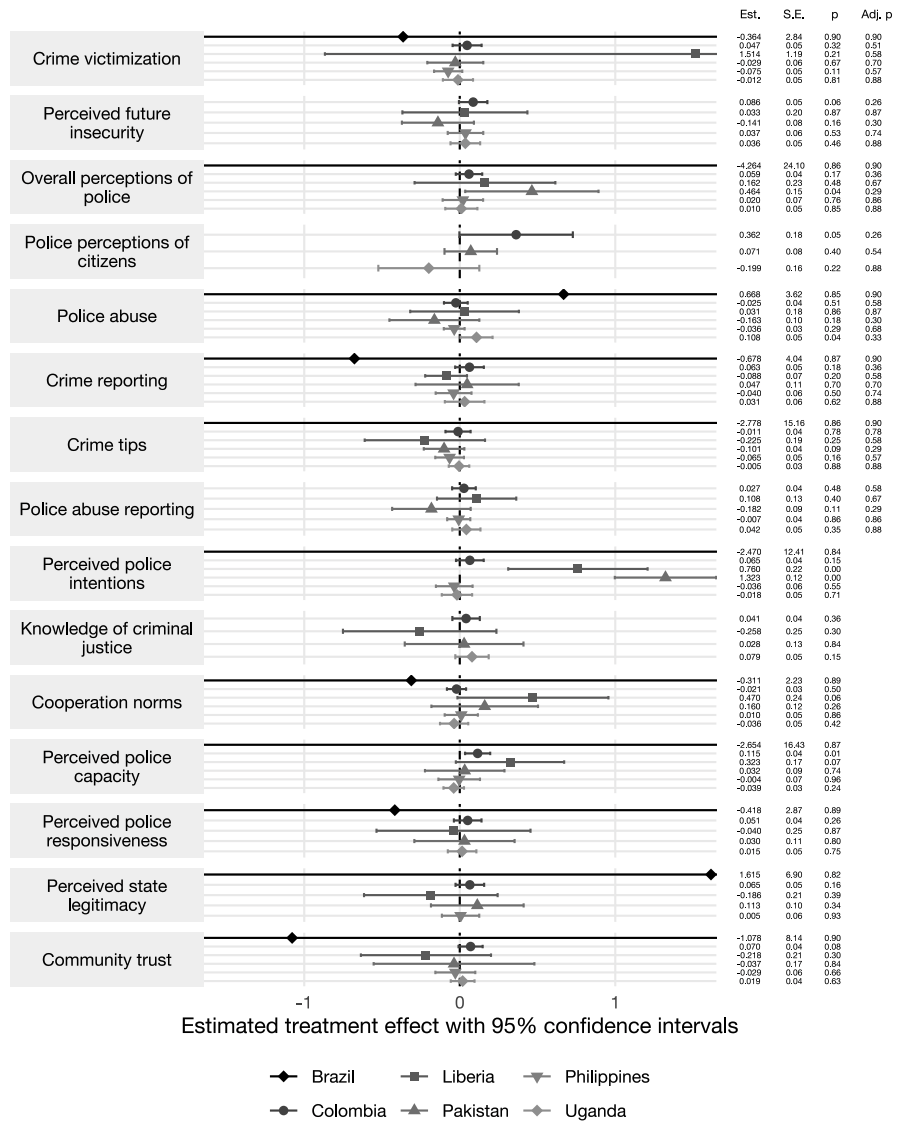
Is it possible to reduce crime without exacerbating adversarial relationships between police and citizens? Community policing is a celebrated reform with that aim, now adopted on six continents. However, the evidence base is limited, studying reform components in isolation in a limited set of countries and remaining largely silent on citizen-police trust. We designed six field experiments with Global South police agencies to study locally designed models of community policing using coordinated measures of crime and the attitudes and behaviors of citizens and police. In a preregistered meta-analysis, we found that these interventions led to mixed implementation, largely failed to improve citizen-police relations, and did not reduce crime. Societies may need to implement structural changes first for incremental police reforms such as community policing to succeed.
2021
Family matters: The double-edged sword of police-community connections
Journal of Politics
Abstract
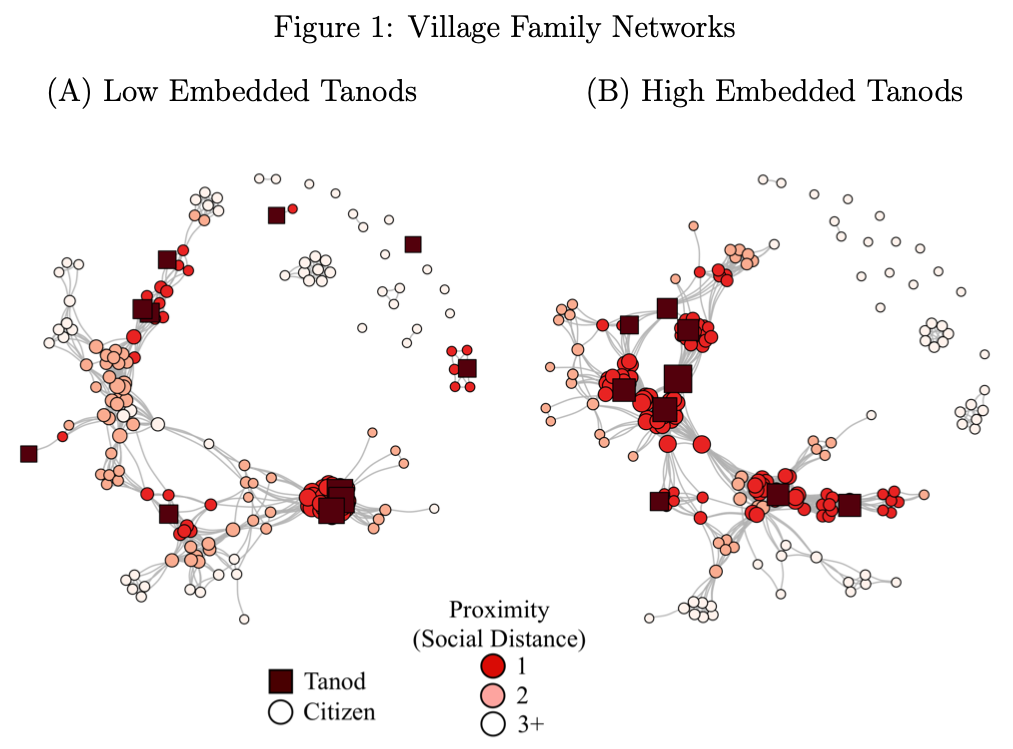
Scholars and policymakers frequently advocate recruiting embedded bureaucrats with strong ties to citizens to improve service delivery. Yet officials who are too embedded in their community are often blamed for corruption, favoritism, and ineffectiveness. We argue that this ambiguity stems from a mismatch between individual- and community-level effects of embeddedness. While personal ties increase engagement by connected citizens, community-level embeddedness marginalizes unconnected citizens and undermines claims of impartiality. We test this argument in the context of public safety provision in the Philippines. We measure family networks in 289 villages, locate police officers within those networks, and analyze responses from two citizen surveys. Citizens are more willing to trust and engage with officers to whom they are more closely related. However, in villages where officers are highly embedded, unconnected citizens evaluate their performance more poorly. Consequently, village-level officer embeddedness is associated with higher rates of family feuds and neighbor disputes.
2021
Self-administered field surveys on sensitive topics
Journal of Experimental Political Science
Abstract
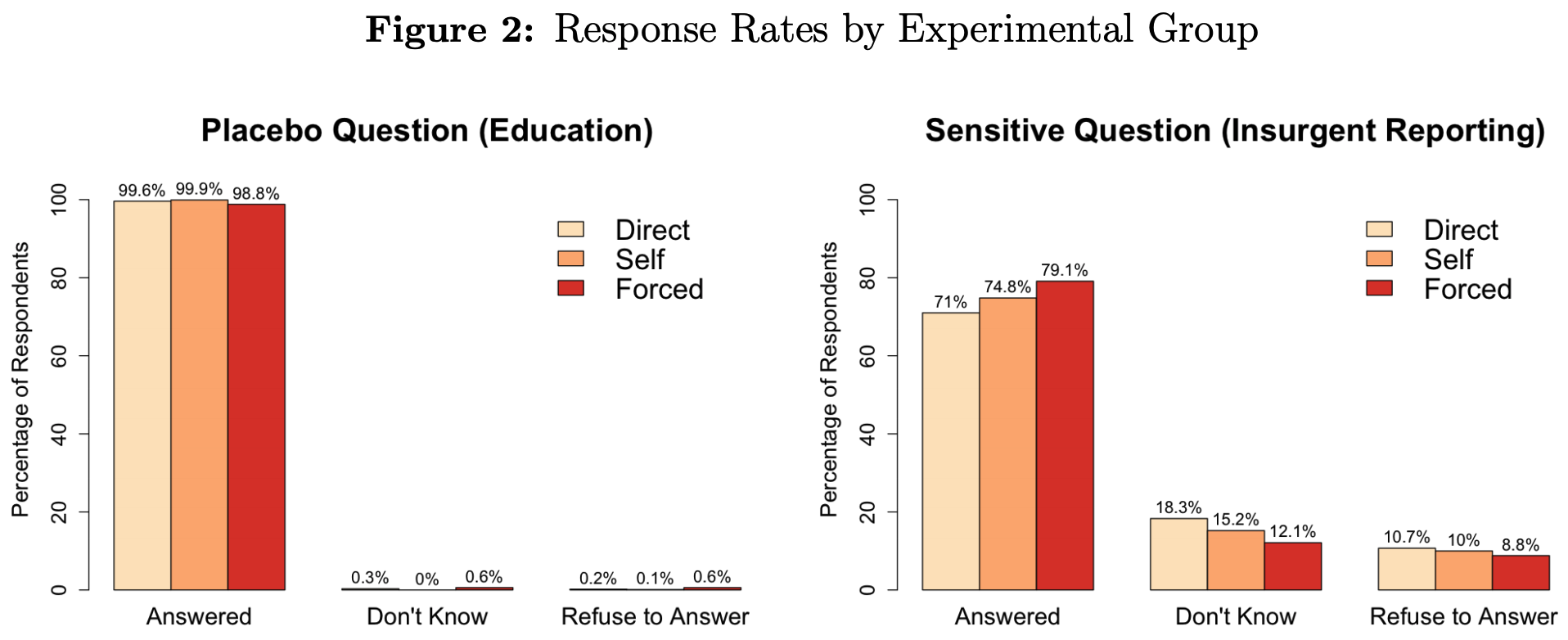
Research on sensitive topics uses a variety of methods to combat response bias on in-person surveys. Increasingly, researchers allow respondents to self-administer responses using electronic devices as an alternative to more complicated experimental approaches. Using an experiment embedded in a survey in the rural Philippines, we test the effects of several such methods on response rates and falsification. We asked respondents a sensitive question about reporting insurgents to the police alongside a non-sensitive question about school completion. Respondents were randomly assigned to answer verbally, through a forced-choice experiment, or through self-enumeration. We find that self-enumeration significantly reduced nonresponse compared to direct questioning, but find little evidence of differential falsification. Forced choice yielded highly unlikely estimates, which we attribute to non-strategic falsification. These findings suggest that self-administered surveys can be effective for measuring sensitive topics when maximizing response rates is a priority.
2017
Digit ratio (2D:4D) and social integration: An effect of prenatal sex hormones
Network Science
Abstract
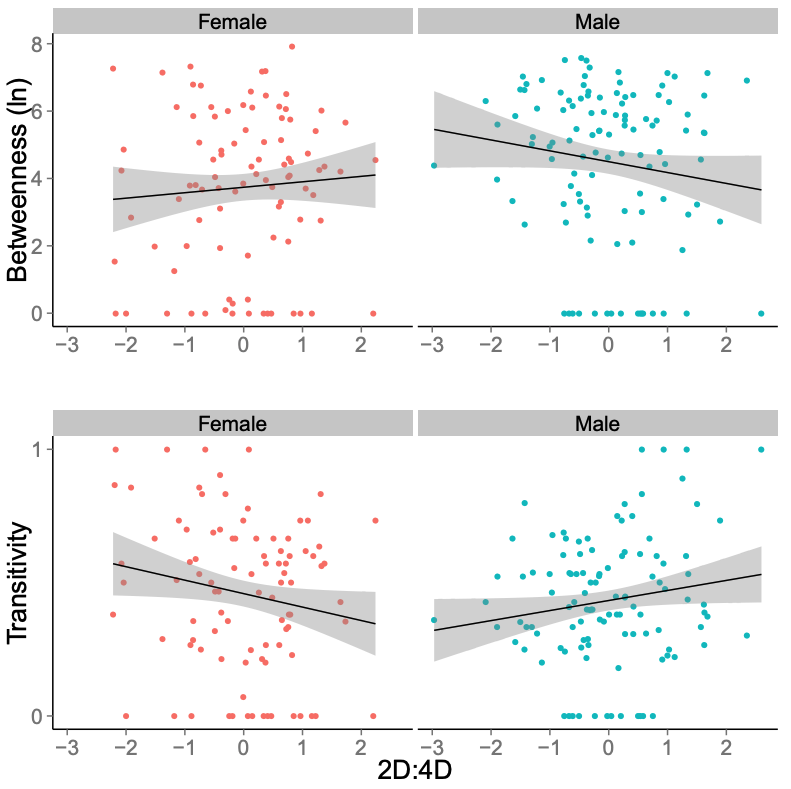
The position people occupy in their social and professional networks is related to their social status and affects their access to social resources. Behavioral traits shape network attainment, yet biological factors also predispose individuals toward certain behaviors and motivations. Prior work shows that exposure to fetal androgens (measured by second-to-fourth digit ratio, 2D:4D) correlates with traits linked to social status, which might increase social integration, but also correlates with anti-social behaviors associated with lower socialization. We test whether 2D:4D correlates with network position later in life and find that individuals with low 2D:4D become more central in their social environments. Low 2D:4D males are more likely to exhibit high betweenness centrality, connecting separated parts of the social structure, while low 2D:4D females are more likely to exhibit high in-degree centrality, being named as friends by more peers. These gender-specific patterns are reinforced by differences in transitivity: neighbors of low 2D:4D men tend not to know each other, while the opposite holds for low 2D:4D women. These findings suggest that biological predispositions influence the organization of human societies and that prenatal androgen exposure shapes distinct status-seeking behaviors in men and women.
2016
Alliance networks and trade: The effect of indirect political alliances on bilateral trade flows
Journal of Peace Research
Abstract
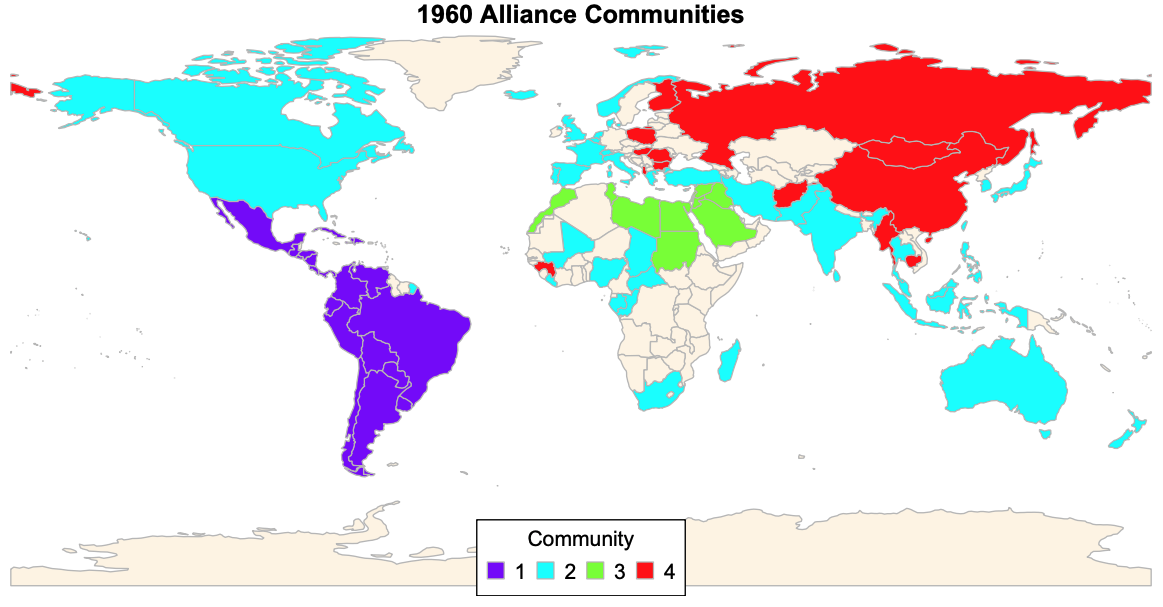
How does the network of international political alliances influence trade flows? Previous work suggests that alliances matter because governments align trade policies with national security interests and firms account for political relations when assessing risk. However, existing research focuses solely on direct political alliances, overlooking the broader structure of international alliance networks. I argue that states and firms consider both direct and indirect alliance relationships when shaping trade. I find that higher levels of trade occur when states have more shared alliances and when they belong to the same alliance community. Once indirect relationships are incorporated, the apparent effect of dyadic alliances diminishes sharply. Joint membership in an alliance community predicts an increase in trade more than twice the size of the effect of a dyadic alliance. This effect is especially strong for highly central states within the alliance network: states trade substantially more with central states in their own community and less with central states in other communities.
2015
Using networks to combine 'big data' and traditional surveillance to improve influenza predictions
Scientific Reports
Abstract
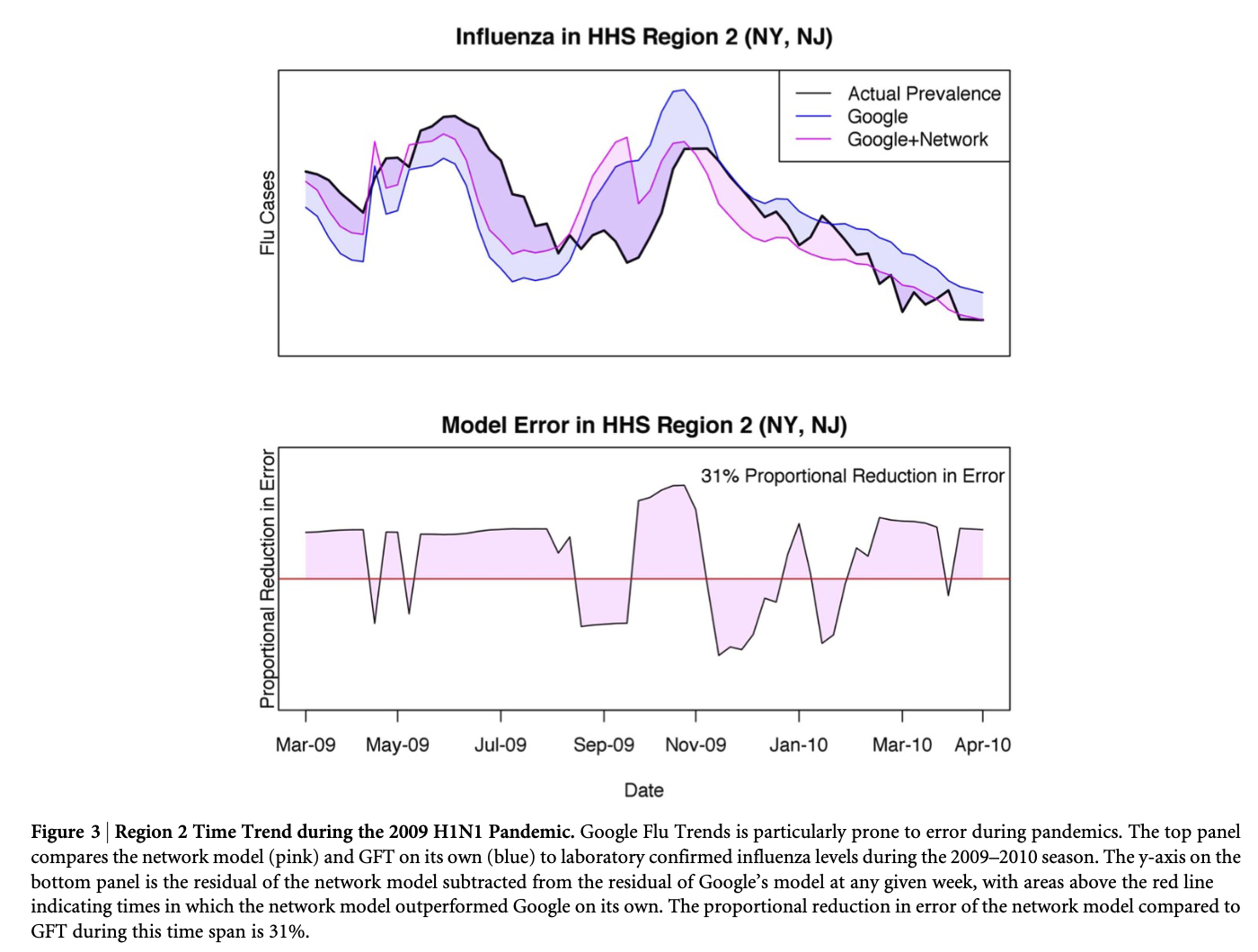
Seasonal influenza infects roughly 5–20 percent of the U.S. population each year, causing more than 200,000 hospitalizations. Accurately assessing infection levels and predicting regional risk can guide targeted prevention and treatment, especially during epidemics. Google Flu Trends (GFT) sparked optimism that big data could estimate disease burden in real time, producing measures two weeks earlier than CDC surveillance. However, GFT suffered notable errors and is substantially less accurate at tracking laboratory-confirmed cases than syndromic influenza-like illness (ILI) measures. We construct an empirical network using CDC data and combine it with GFT to markedly improve predictive performance. The combined model predicts infections one week into the future as well as GFT predicts the present and performs particularly well in highly connected regions and during epidemic periods.
Book Chapters
1 item
2024
Community policing in the Philippines: Communication, trust, and service provision
Crime, Insecurity, and Community Policing: Experiments on Building Trust
Cambridge University Press
Cambridge University Press
Abstract
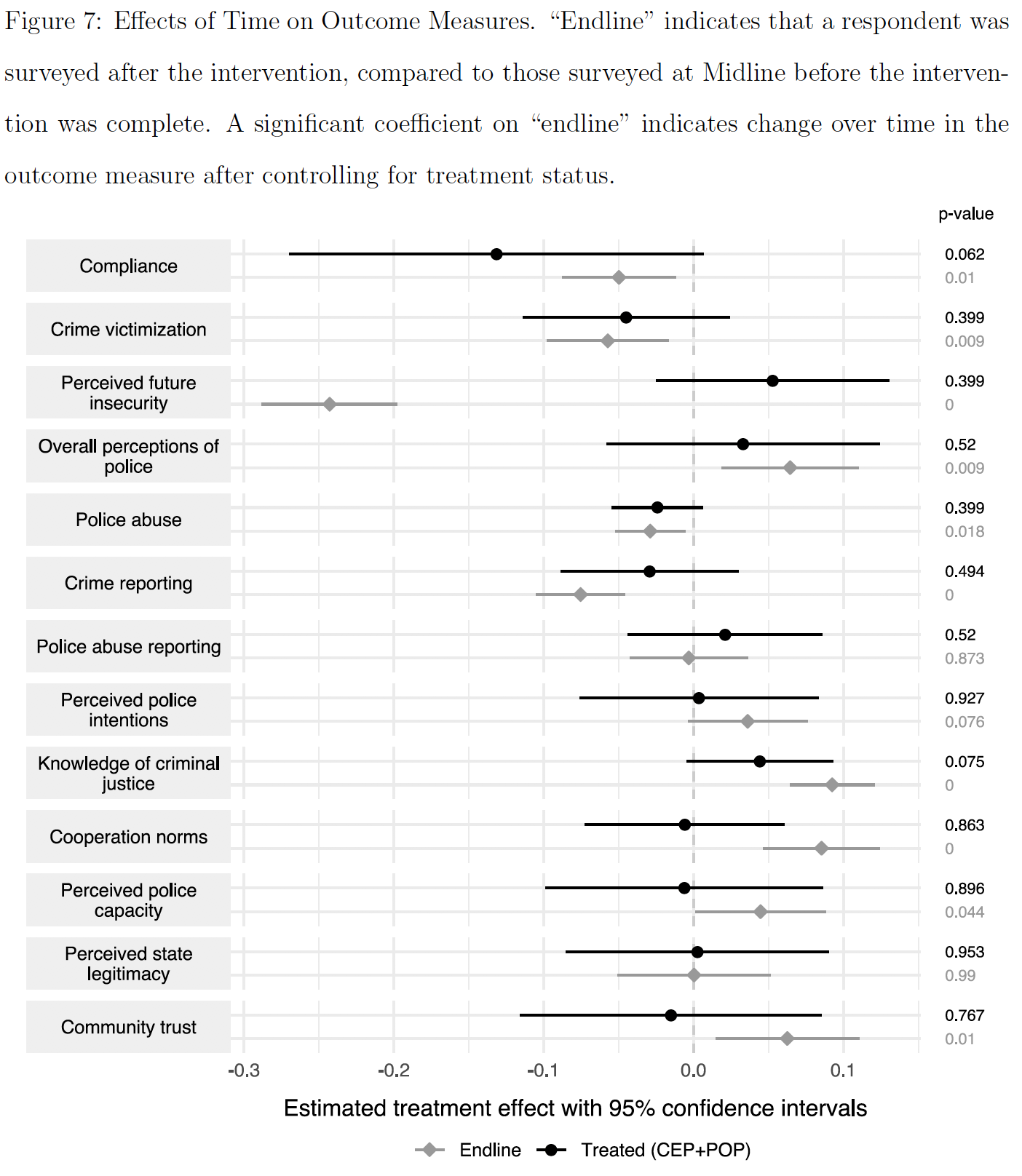
In this chapter, we test the effects of community policing in Sorsogon Province in the Philippines. The intervention generated a four-fold increase in police-citizen interactions in treated villages, but consistent with the meta-analysis of all six sites in this volume, we found no effects on crime or on citizens’ attitudes about public safety. To disaggregate the effects of different components, we sequenced the implementation of community engagement (CEP) and problem-oriented policing (POP) but found no effects on harmonized outcomes for CEP alone or for CEP combined with POP. Finally, we present suggestive evidence of positive impacts on specific types of crimes targeted by barangays’ problem-oriented policing teams, indicating that while community policing cannot address all community problems at once, it may improve specifically targeted issues.
Working Papers
Can "hearts and minds" survive a crisis? Experimental evidence of dashed expectations in the Philippines
Revise & Resubmit, Journal of Politics
Abstract
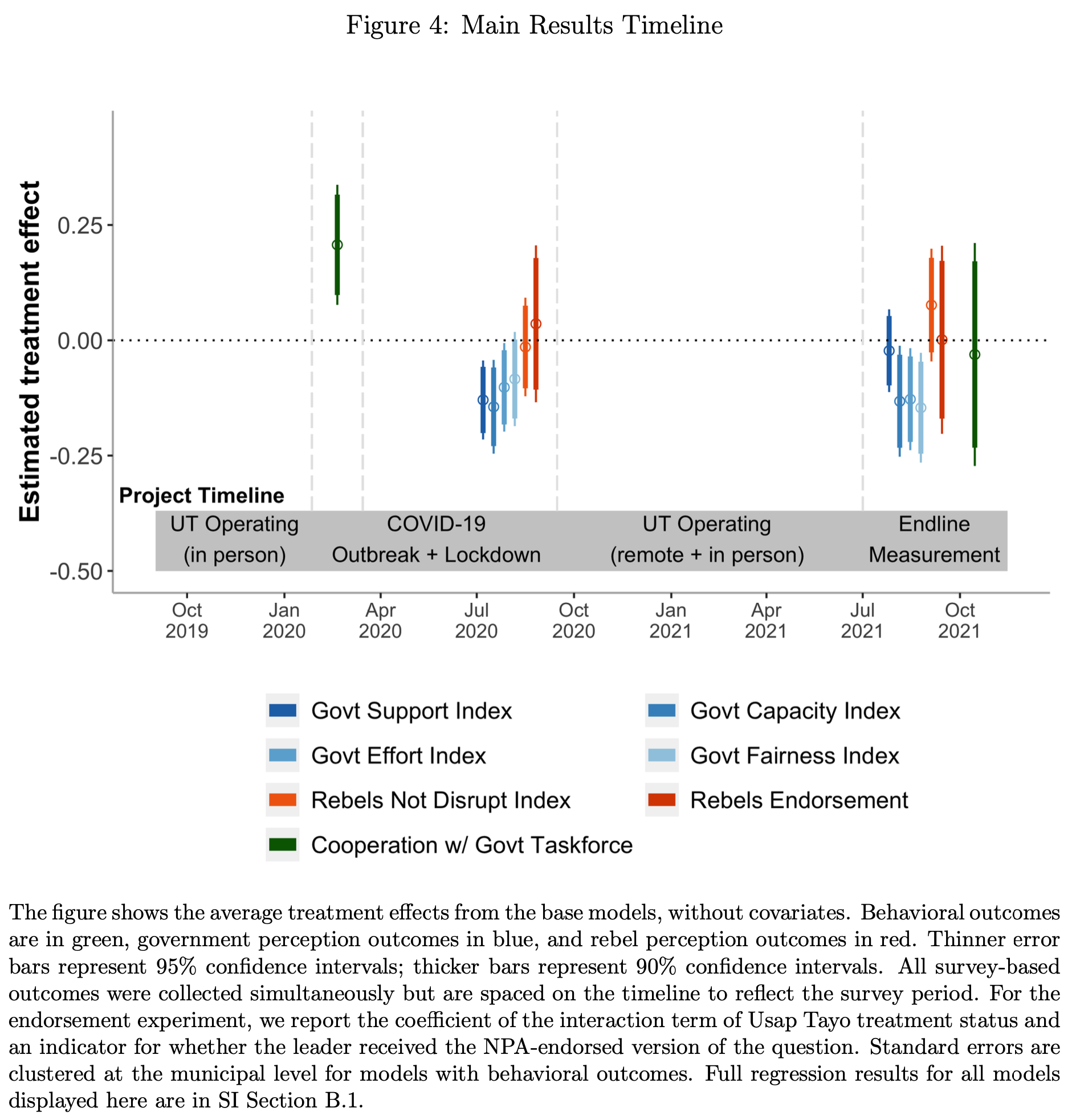
An expansive research agenda examines whether public service delivery in conflict zones induces civilians to cooperate with the government. We report results from a four-year randomized controlled trial in the Philippines that extended government services to a conflict-affected region during the Covid-19 pandemic. The program initially increased civilian cooperation with the government, but later generated a backlash in trust and confidence after a strict nationwide lockdown halted program implementation. These negative effects were driven by the government’s inability to meet heightened expectations about its capacity, effort, and fairness. After the program restarted in 2021, attitudinal and behavioral outcomes in treated communities partially recovered, but not to the positive levels observed before the pandemic. Overall, our findings suggest that cycles of crisis and disruption can erase the gains from even highly popular and effective government programs in conflict zones.
Social Terrain and Conflict Diffusion: Civilian Networks and the Spread of Territorial Control in the Philippines
Winner, APSA Southeast Asian Politics Group Best Paper Award
Abstract
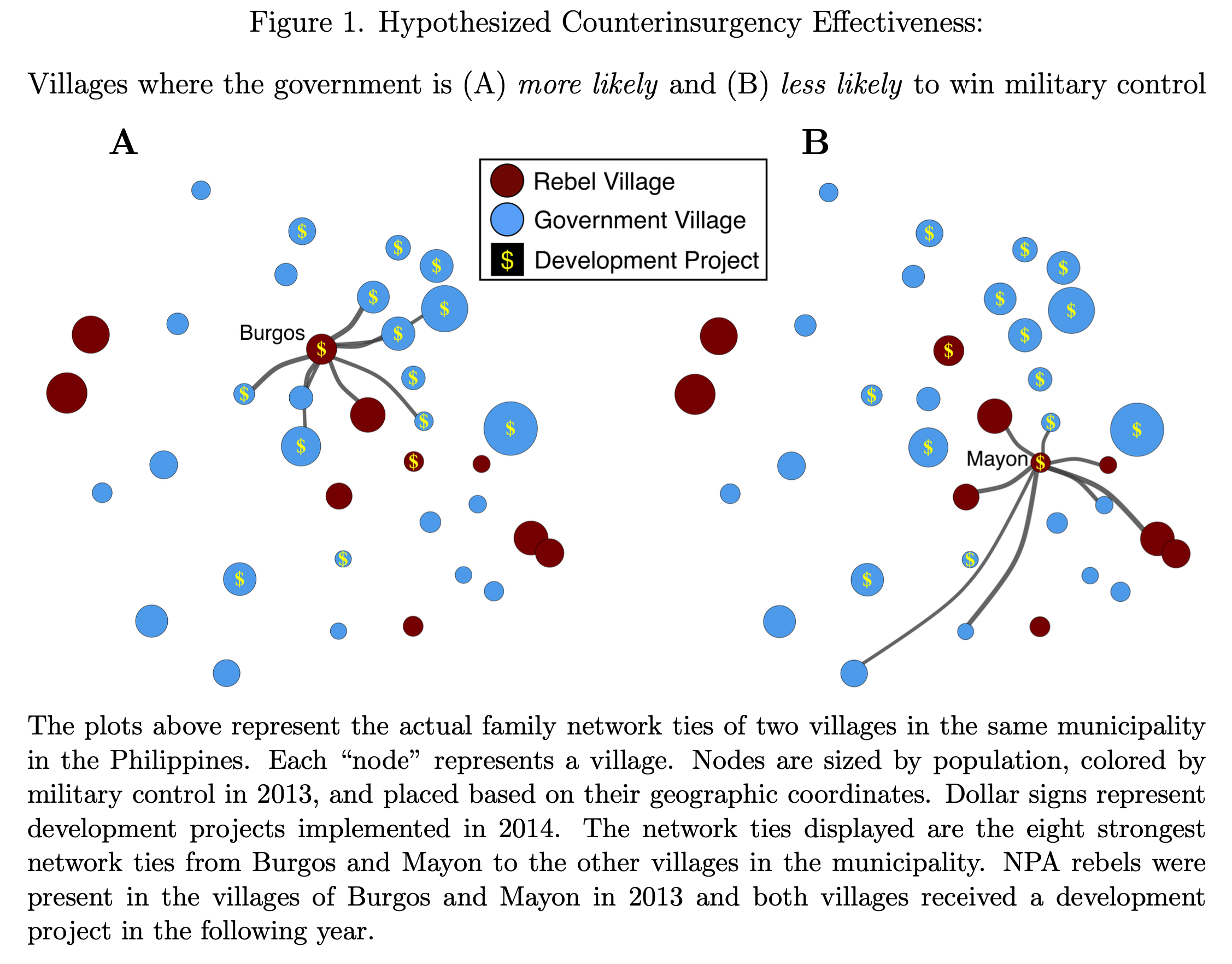
How do civilian social networks influence the spread and decline of insurgency? I posit that governments’ and rebels’ ability to win civilian cooperation and shift territorial control is driven by information that flows through civilian networks. Civilians’ perceptions of military control and government commitment to service provision are shaped by the experiences of their social contacts in surrounding villages. I test this argument using data from the Philippines, including military intelligence on village-level insurgent presence, government development projects, and a network of family ties linking 55 million individuals across 40,000 villages. I find that the government was more likely to gain territory when civilians had family connections to nearby villages already under military control and receiving development projects. These findings underscore the role of “social terrain” in shaping territorial control in civil conflict.
Revenue or Legitimacy? Rebel Governance and Forest Extraction in the Philippines
Winner, Environmental Politics and Governance (EPG) Annual Conference Best Paper Award
Abstract
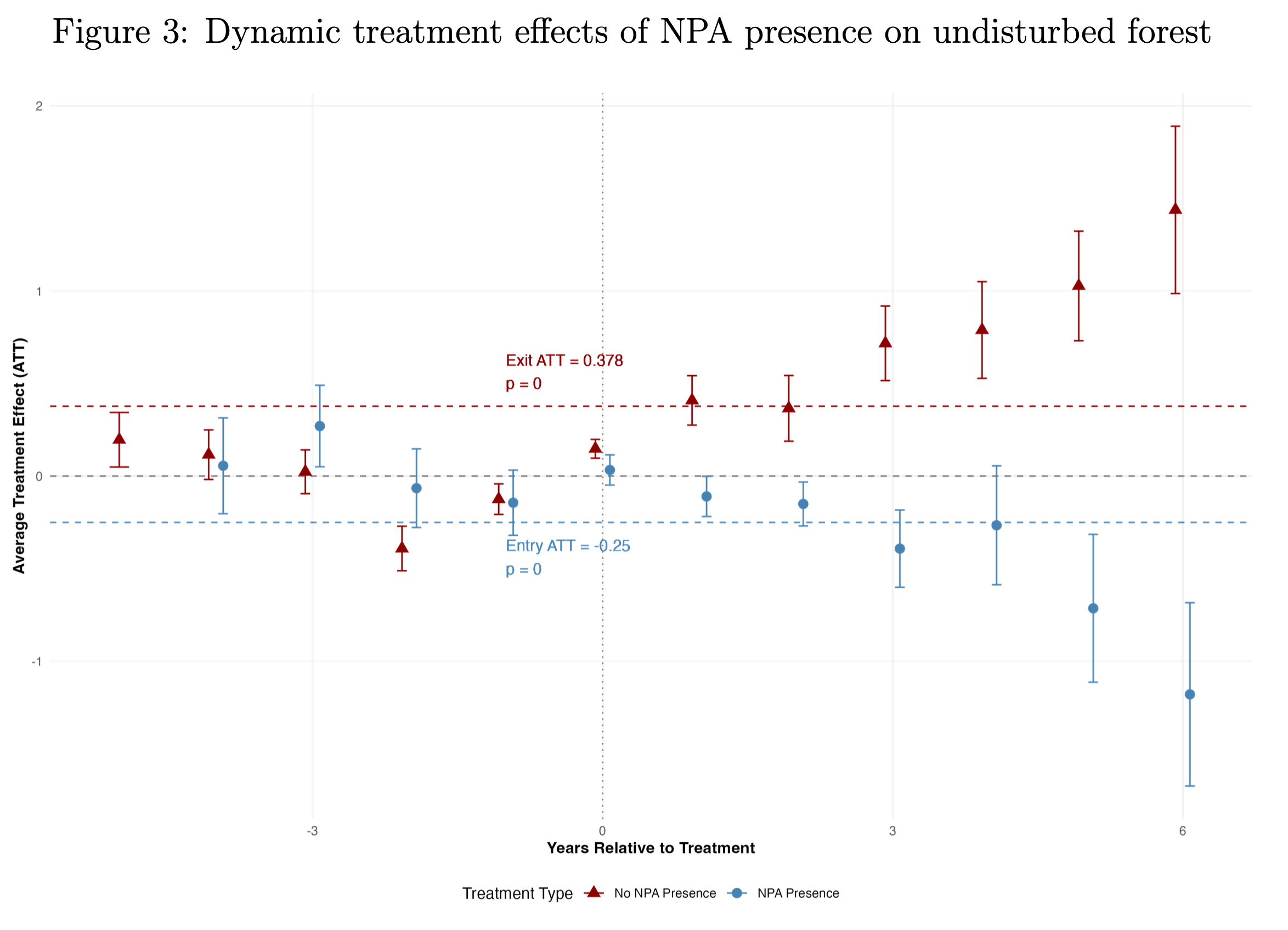
Tropical forests are disappearing at alarming rates. Nearly 40 percent of what is left lies in regions affected by violent conflict, yet armed groups' role in forest loss remains poorly understood. We argue that rebels face a tradeoff between extracting resources from the forest and protecting it as a form of rebel governance. They can profit by shielding illegal logging, but the marginalized populations they rely on for support are often the most harmed, as deforestation erodes livelihoods, degrades ancestral lands, and exacerbates environmental hazards. Using a difference-in-differences design in the Philippines pairing village-level intelligence reports on rebel presence with satellite imagery on forest cover, we find support for this view. Rebels drive deforestation, but only in areas without Indigenous communities and far from recent landslides. For rebels, protecting the forest is profit deliberately left on the table, a price they pay only where civilians have the most to lose.
Which principals matter? Accountability when local officials answer to both bureaucrats and politicians
Abstract
Government service provision often relies on local officials who implement policy while answering to overlapping administrative and political authorities. Yet we know little about which principals induce responsiveness in such settings. We study this question using a randomized evaluation of a local security reform in the Philippines. Village officials received an identical accountability letter that varied only in the identity of the principal issuing it: a national agency with formal administrative authority or the municipal mayor whose influence rests on informal patronage. Officials increased participation only in response to the national agency's letter. Citizens in villages where officials received the agency letter also reported higher perceptions of government fairness and effectiveness. These findings provide evidence on accountability among local implementers with one foot in politics and the other in bureaucracy, and motivate a discussion of when similar officials in other settings respond to accountability from one principal rather than another.
Ongoing Projects
Conflict Brokers: How Local Politicians Make or Break Insurgencies
Abstract
Why do insurgencies persist, even in relatively strong states with significant counterinsurgency investments? This book project argues that the answer lies not just in state capacity or civilian loyalty, but in the political behavior of local powerbrokers. In many conflict zones, municipal- and district-level actors including elected officials, clan leaders, or informal notables control how state authority is implemented on the ground. These actors can serve as critical intermediaries in counterinsurgency, or as quiet enablers of insurgents. Drawing on original data from the Philippines and comparative evidence from Afghanistan, Colombia, and beyond, I show how their decisions are shaped by the structure of their political networks, including access to state patronage, rivalry with local competitors, and contagion through peer ties. When the state strengthens their rivals or fails to guarantee safety, these actors often strike informal deals with insurgents, trading political leverage for non-interference, coordination on rent extraction, and local legitimacy. The book combines quantitative analysis of conflict dynamics in the Philippines with qualitative evidence from elite interviews and process tracing. In doing so, it reframes the microfoundations of insurgency, opens a new window into the subnational politics of civil war, and highlights the messy politics of state-building from below. Conflict outcomes, I argue, often hinge not just on states, rebels, or ordinary civilians, but on the brokers in between.
Social Networks and Violence Against Women: Preliminary Evidence from the Philippines
Abstract
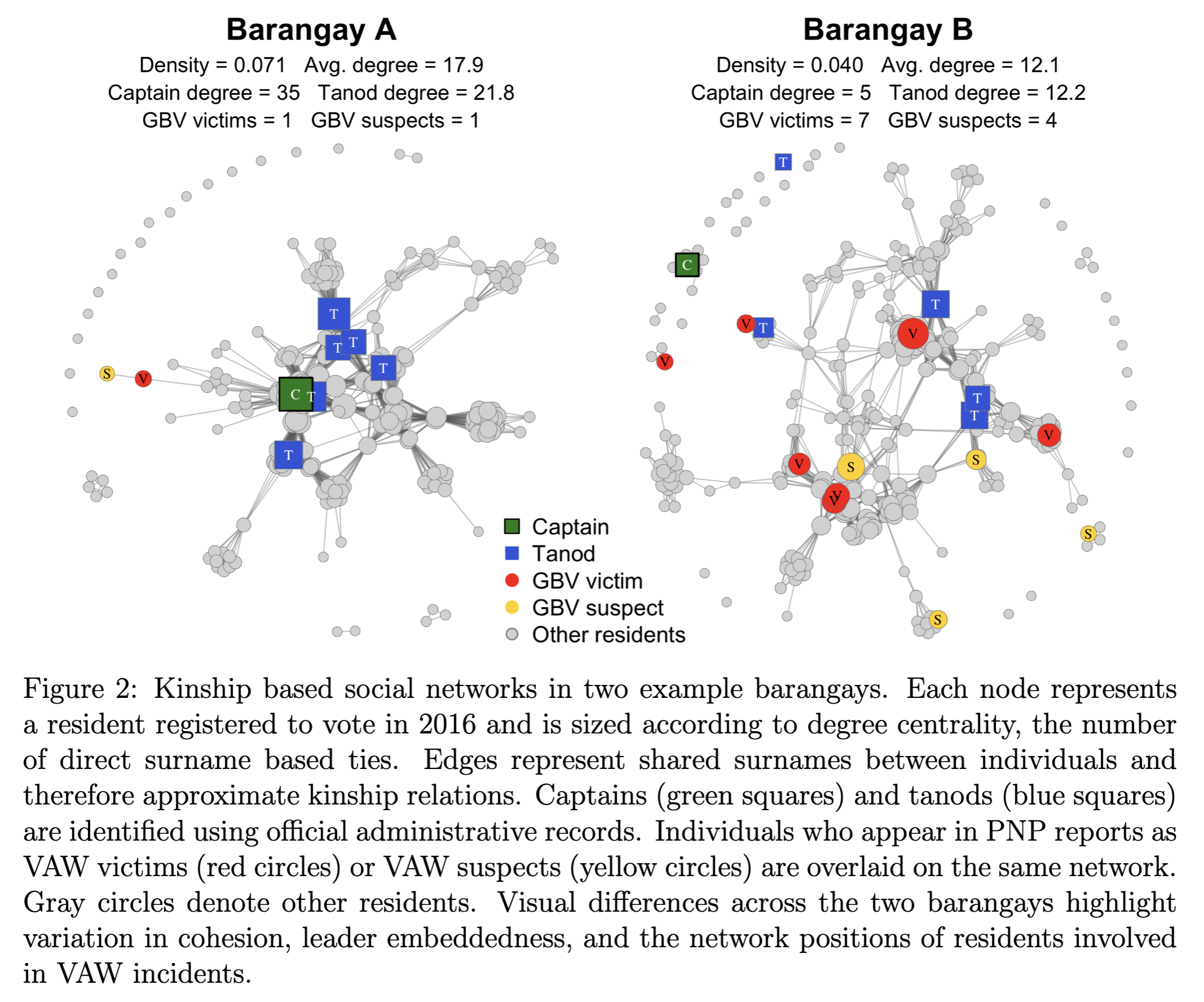
Violence against women (VAW) is pervasive but severely underreported in many settings. Existing explanations for underreporting point in two directions: dense social networks may provide trusted intermediaries who facilitate help-seeking, yet they may also heighten stigma and raise the social costs of disclosure. We use police records, victimization surveys, and complete kinship networks for 541 villages in the Philippines to adjudicate between these possibilities. We find that denser networks and more socially embedded village leaders are associated with substantially fewer VAW cases reported to the police, even though residents in these same communities are equally or more likely to view VAW as a major local problem. Individual-level patterns point to the mechanism: central and leader-connected residents are more likely to perceive VAW as a community concern, but socially peripheral residents are more willing to report minor issues and are disproportionately represented in police data. These results provide suggestive evidence of network-based stigma. We outline next steps, including a lab-in-the-field experiment with local officials.
Field experiments for inductive theory building
Abstract
How can field experiments contribute to inductive theory building rather than simply testing pre-registered hypotheses? This project develops a framework for integrating experimental and inductive approaches in conflict research and beyond. I propose two strategies. First, researchers can design experiments to surface unanticipated mechanisms and heterogeneous effects by embedding open-ended measures and enabling exploratory analysis within the bounds of a clear identification strategy. Second, researchers implementing policy interventions can leverage that embedded role to generate grounded theory about how policy is made, adapted, and experienced. Drawing on field experiments in the Philippines, I illustrate how researchers can remain analytically flexible without sacrificing credibility or causal leverage. The framework offers practical guidance for scholars at the design phase, where key insights often emerge only through engagement with the field.
Reading at scale: Automating quantitative reviews of large literatures, with an application to political violence
Abstract
This project develops a novel method for conducting systematic literature reviews using large language models (LLMs) to extract structured data from political science articles at scale. Focusing on research in political violence over the past twenty-five years, we combine automated extraction with human validation to build a transparent, reproducible database that captures key features of published work, including topics, methods, causal mechanisms, geographic focus, and epistemological orientation. The goals are twofold: first, to produce a public, searchable dataset that enables scholars to identify gaps, trends, and blind spots in the field; and second, to create a methodological template for using LLMs to support literature synthesis in other subfields. By bridging human judgment with computational scale, this project offers a more inclusive and tractable alternative to traditional hand-coded reviews. We are currently refining our extraction pipeline and coding schema.
Rebel Bureaucracy: Mapping Governance and Conflict in Myanmar
Abstract
This project develops the first systematic administrative dataset on rebel governance in Myanmar, where resistance authorities administer significant territory under conditions of active conflict, limited oversight, and severe resource constraints. Working in partnership with the National Unity Government (NUG) and civil society organizations, the project builds a secure, township-level data infrastructure that standardizes and digitizes administrative reporting across four domains: public services, governance performance, conflict incidents, and citizen perceptions. Township administrators already maintain records, but existing practices are uneven and fragmented; we support enumerator training, data security protocols, and the institutionalization of routine reporting. The resulting dataset transforms Myanmar from a data-scarce to a data-ready environment, enabling the first systematic descriptive evidence on how rebel authorities recruit personnel, provide services, and sustain legitimacy in contested regions. Over time, embedded data systems also create the foundation for causal research. As the NUG rolls out reforms in bureaucratic recruitment, oversight, and civil service training, researchers will be positioned to evaluate these initiatives in real time. The project advances theoretical and policy-relevant understanding of how rebel bureaucracies are formed, managed, and held accountable during civil conflict.